
Short answer: Using an LED in projector headlights can be a worthwhile upgrade when the LED bulb places its emitters in the same position as the original filament, fits the projector housing, manages heat correctly, and produces a sharp cutoff. A bulb that is merely brighter can create glare, dark zones, or hot spots. Judge the complete beam, not the advertised lumen number.
Projector Headlights vs. Reflector Headlights
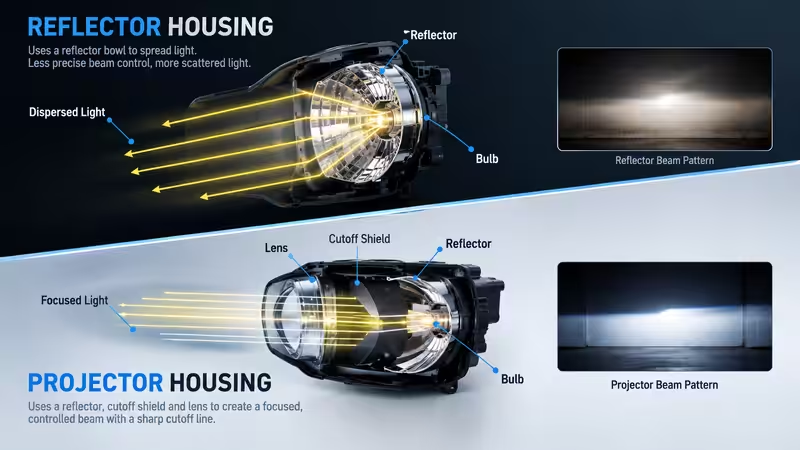
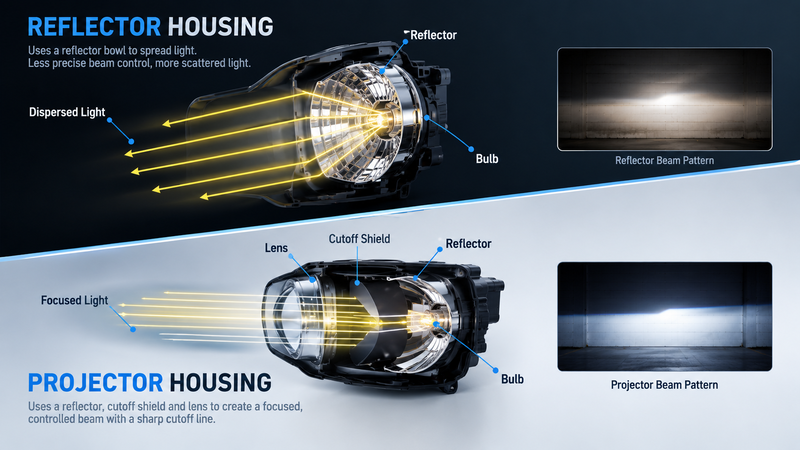
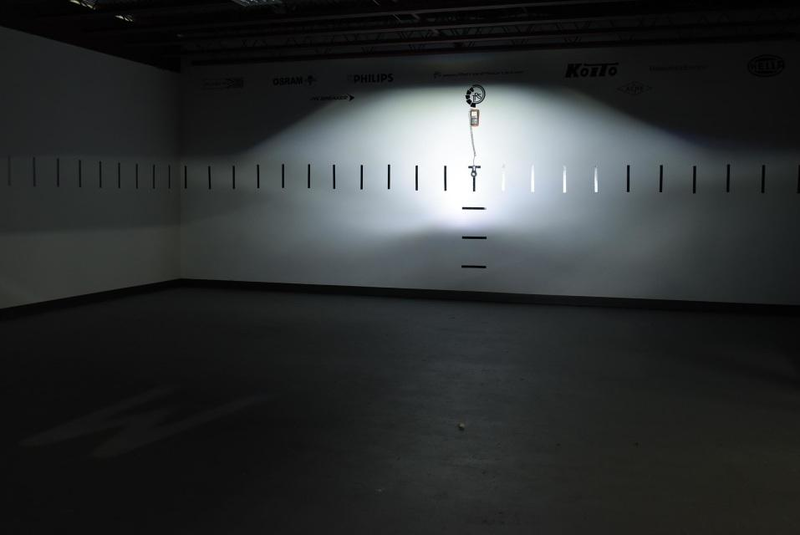
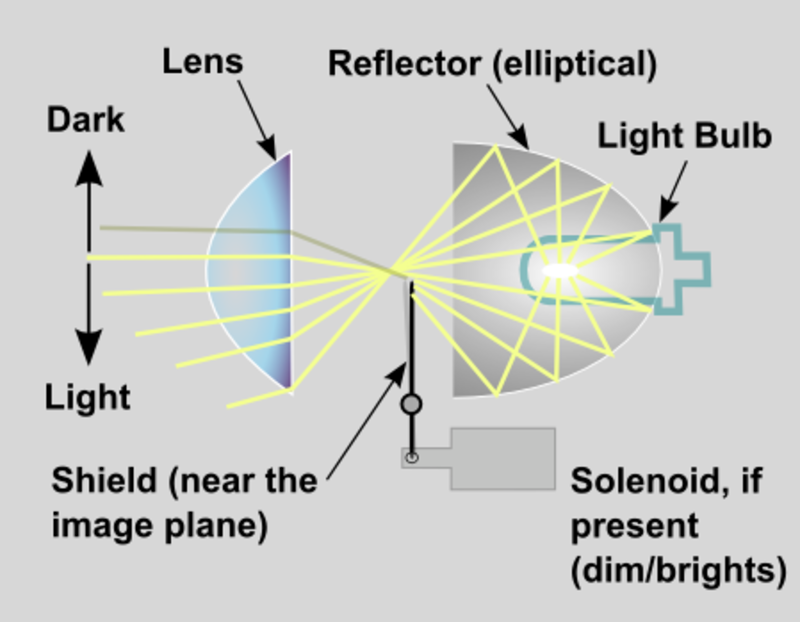
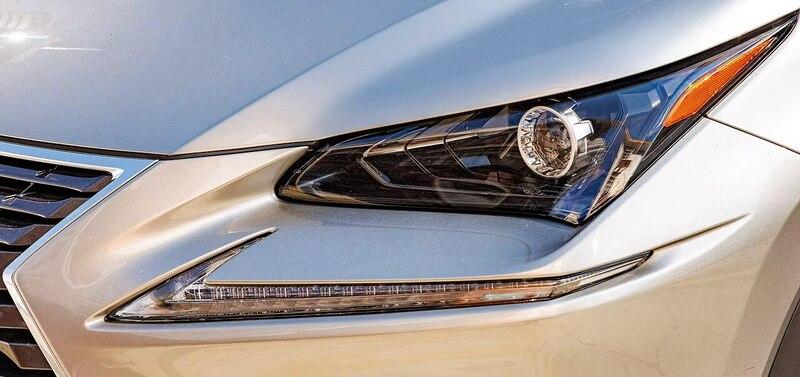
Projector headlights use a reflector bowl, cutoff shield, and lens to create a focused, controlled beam. The result is usually a sharper cutoff line, better foreground control, and the ability to illuminate more road surface at useful distances. The cutoff helps protect oncoming traffic from glare.
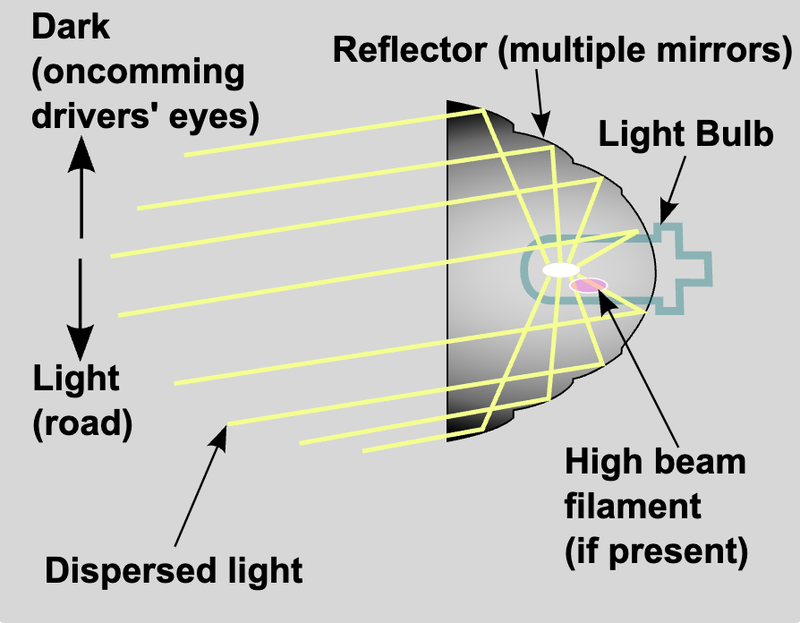
Reflector headlights are simpler. A halogen bulb sits inside an open reflector, and fluted lines in the lens or reflector direct the light. Their light output is usually less distinct, and an incompatible replacement can scatter light above the intended beam pattern.
| Feature | Projector headlights | Reflector headlights |
| Beam control | Sharp, focused cutoff | Broader, less distinct pattern |
| Main optical parts | Elliptical reflector, shield, lens | Reflector bowl and fluted optics |
| Glare control | Better when bulb geometry is correct | More sensitive to uncontrolled dispersion |
| LED conversion | Can work great with a matched bulb | Often produces more scatter with a generic bulb |
Inside a projector, the elliptical reflector gathers light from the light source and directs it toward the cutoff shield. The shield shapes the upper edge, and the lens projects the final image onto the road as a controlled spread. In many bi LED projectors and bi-halogen or bi-HID units, a movable shutter changes position to switch between high and low beams. It does not simply make the same spot brighter; it changes how much of the beam is exposed.
Halogen, HID, and LED Light Sources
Halogen
Standard halogen bulbs commonly produce about 1,000 to 1,500 lumens. They are inexpensive, reach full output immediately, and usually match stock optics because the housing was designed around the filament. Their drawbacks are lower efficiency, a warmer color temperature, shorter life, and more wasted energy as heat.
HID
Quality HID bulbs can provide strong output and good distance illumination in an HID designed projector. They need a ballast, take time to warm up, and may shift color as they age. Installing drop in HID bulbs in halogen, only projectors is usually a poor idea: the arc position and intensity may not match the original filament, so focus and glare control suffer.
LED
An automotive LED light source reaches full brightness almost immediately, uses less energy than halogen, and can last much longer when the driver and cooling system are well designed. Strong replacement LED bulbs may be advertised at more than 3,000 lumens per bulb, but measured usable output depends on the projector, voltage, heat, and beam pattern.
The LED chip layout matters more than chip count alone. Emitters that sit too far apart create a thick virtual filament, which can blur the cutoff and leave blind spots. A thin base board, such as the 0.039 inch base claimed for Q16 series bulbs, can place the chips closer to the original filament plane and improve illumination. The bulb should also provide the optical equivalent of 360 degree coverage without placing light where the housing cannot use it.
Some sellers state that Y13 series bulbs are “400% brighter than halogen.” Treat that as a marketing claim until beam pattern tests and independent measurements confirm it. More raw lumens do not guarantee better road vision.
Because the shield and lens introduce optical losses, projector headlights may need higher usable source output than a simple reflector system. That does not mean buying the largest lumen claim; correct focus still determines how much light reaches the road.
What Makes an LED Bulb Suitable for a Projector Housing?
Before replacing the original bulb, confirm these points:
- Socket and wattage: Match the vehicle’s bulb type and electrical rating. Check whether a CANbus decoder or resistor is needed to prevent an error indicator.
- 1:1 emitter position: The LED chips must closely match the original filament or HID arc location. This lets the reflector and lens maintain proper focus.
- Physical space: Measure the rear cap and housing. A large heat sink, fan, external driver, or thick wire may not fit.
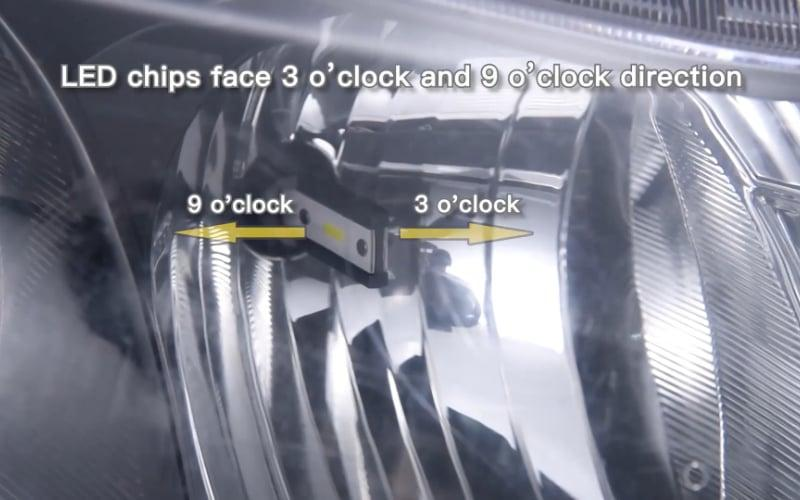
- Chip orientation: For most two sided retrofit bulbs, set the chips at the 9 and 3 o’clock positions. Secure the bulb so it cannot rotate or drop out of alignment.
- Cooling: Passive fins need airflow; fan cooled bulbs need clearance and a reliable fan. Excess heat reduces output and life.
- Real beam evidence: Compare wall shots and road pics from the same vehicle and housing. Look for a clean cutoff, even intensity, and no dark void under the cutoff.
- Warranty: Confirm the return policy in case the optics prove incompatible.
Do not choose light bulbs by wattage or peak lumen claims alone. A projector absorbs some output, so compare usable lux at road distance and the width, uniformity, and cutoff of the beam. A bulb with lower advertised output can outperform a nominally brighter one when its emitters are correctly positioned.
How to Install and Aim an LED Bulb
- Park the car or truck on level ground facing a wall and mark the original cutoff before removing the bulb.
- Confirm the correct socket, disconnect power, and install the LED without touching or damaging the chips.
- Rotate the emitters to 9 and 3 o’clock unless the bulb or vehicle maker specifies another orientation.
- Fit the driver, fan, and wiring inside the available space without pinching a wire or blocking cooling.
- Reconnect power and check both low and high beams, the dashboard indicator, and any CANbus warning.
- Aim the units to the vehicle manufacturer’s specification. Do not raise them merely because the cutoff looks low.
- Test on a dark road. Check distance, foreground uniformity, contrast, and glare for other vehicles.
If other drivers repeatedly flashed their lights after the install, treat that as a warning. Recheck bulb seating, orientation, and headlight aim. If the pattern remains uncontrolled, reinstall the original halogen bulb or choose a purpose built projector upgrade.
Diagnosing Common Problems
Dark band or blind spot below the cutoff
The chips may be too far apart, the base board may be too thick, or the bulb may be out of focus. First reseat and rotate the bulb. If the problem remains, try a thinner board design. The practical goal is to create a smaller virtual filament in the correct optical position.
Bright center with weak edges
This usually indicates poor emitter placement or a bulb that does not provide usable illumination around the focal area. Do not confuse a bright wall picture with good road coverage.
Scattered light or glare
Check aim, seating, and compatibility. A bulb suitable for one projector may be wrong for another. Reflector optics are even less forgiving; if a retrofit cannot reproduce the stock filament geometry, the other option is a complete DOT/ECE compliant assembly designed for LED.
Flicker, warning light, or shutdown
Verify polarity, connectors, and voltage. A compatible decoder may solve a CANbus warning, but added resistors create heat. Mount them only in a safe location and follow the manufacturer’s instructions.
Color Temperature and Night Visibility
For most road use, 4,300K to 6,000K is a practical range. It gives a clean white appearance without moving too far into blue. Higher color temperature does not mean higher output and may reduce perceived contrast in rain, fog, or snow.
LED technology can provide a wider color gamut and stable, vibrant colors in display applications, but automotive headlights are not video displays. The relevant questions are whether the road is evenly lit, objects stand out, and the beam stays out of an oncoming driver’s eyes.
Drivers who are vision impaired or have another visual condition should prioritize legal beam aim, low glare, and usable contrast. Product discussions should not try to determine whether an impairment covered by the Disabilities Act applies. Employers, dealers, or event organizers asked to discuss potential accommodations related to a disability should handle potential accommodations under the applicable disabilities act or similar law with a qualified professional. A headlight article cannot assess a disability or other impairment.
Do Not Confuse Headlight Lumens with Projector ANSI Lumens
The word “projector” also refers to equipment that throws a video image onto a screen. Those specifications are not interchangeable with automotive bulb lumens.
- Brightness for video projectors is commonly measured in ANSI lumens.
- Portable LED projectors often list roughly 300 to 1,500 ANSI lumens, while many laser projectors exceed 2,000 ANSI lumens.
- Traditional lamp projectors are often rated for about 2,000 to 5,000 hours and may dim more rapidly.
- LED projector light sources commonly claim about 20,000 to 30,000 hours, reach full brightness quickly, use less energy, generate less heat, and reduce maintenance because there are no frequent lamp replacements.
- Compared with traditional lamps, a quality LED light source usually follows a more gradual dimming curve rather than suffering a rapid early drop in brightness.
- LED projectors are often smaller, lighter, and mercury free. Laser models are another option when higher screen brightness is required.
- A claim that a projector uses a 100 watt LED to produce 8,000 lumens needs context: raw source lumens are not the same as calibrated ANSI lumens measured at the screen.
Likewise, “LED bulbs emit over 3,000 lumens for projectors” normally refers to an automotive bulb claim, not an ANSI lumen rating. Compare like with like.
Buying Checklist
Choose an LED conversion only when you can answer yes to all of the following:
- Is the bulb socket and wattage correct for the vehicle?
- Does the emitter geometry match the original light source?
- Is there enough housing space for the fan, heat sink, driver, and wiring?
- Do real installation photos show a sharp cutoff without hot spots?
- Is the color temperature suitable for actual night driving?
- Can the seller provide credible output data, a warranty, and a return option?
- Does the finished beam comply with local road rules?
Forum research can help, but filter it carefully. A recent post on a vehicle specific board, GA Social, or another owner group may include useful pics and more comments from anybody who has installed the same setup. Note the exact vehicle, housing, bulb orientation, exposure settings, and whether the author tested at road distance. “I guess it is brighter,” “I figured it would fit,” or “I was hoping for more output” is not a measurement. Be curious about the method, not just the conclusion.
If someone writes, “I **recently** decided to upgrade,” look for the other things that make the result reproducible: exact part numbers, before and after settings, and aiming procedure. Also compare other options rather than treating one successful install as universal proof.
Final Verdict
An LED bulb is a sensible projector headlight upgrade when its geometry matches the original bulb, its cooling hardware fits, and its beam remains sharply controlled. The best result is not the largest number on the box; it is useful light on the road with clear contrast and minimal glare.
If careful orientation and aiming do not fix dark zones or scatter, stop experimenting with random bulbs. Go back to the stock halogen or install a complete, purpose built LED projector assembly. That course costs more, but it is often the reliable way to get better illumination without compromising other road users.
Q&A
Can I put LED bulbs in projector headlights?
Yes, if the LED bulb is designed for the socket and reproduces the original filament position. Confirm fit, cooling, beam pattern, aim, and local legality.
Why do projector headlights need a bright bulb?
The shield and lens absorb some light, so the source needs adequate output. Even so, optical focus and beam uniformity matter more than a raw lumen claim.
Are LED bulbs brighter than halogen bulbs?
Many are advertised above 3,000 lumens, compared with roughly 1,000 to 1,500 lumens for typical halogen bulbs. Actual road brightness depends on the complete optical system.
What LED orientation works in a projector?
Most two sided retrofit bulbs start with the LED chips facing left and right at 9 and 3 o’clock. Verify the pattern because some housings differ.
Should I install HID bulbs in a halogen projector?
Usually no. A drop in HID light source may not sit at the intended focal point and can create poor distribution or glare.
If you’re looking for LED headlight bulbs for your vehicle, product line, or wholesale business, our team can help you find the right solution based on your application and market requirements.
Contact us to discuss your requirements, request product details, or get a sample for testing.