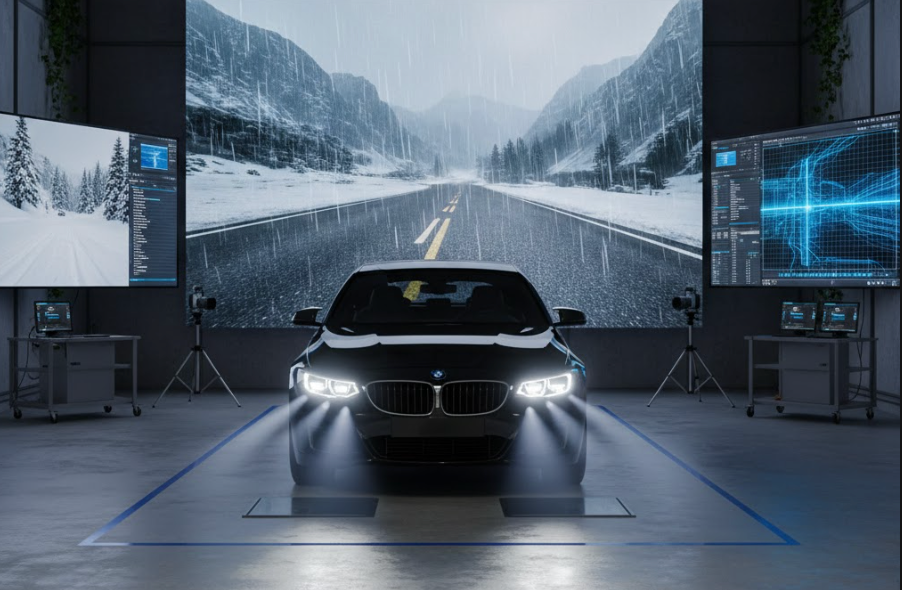
Stable Optical Performance Across Applications
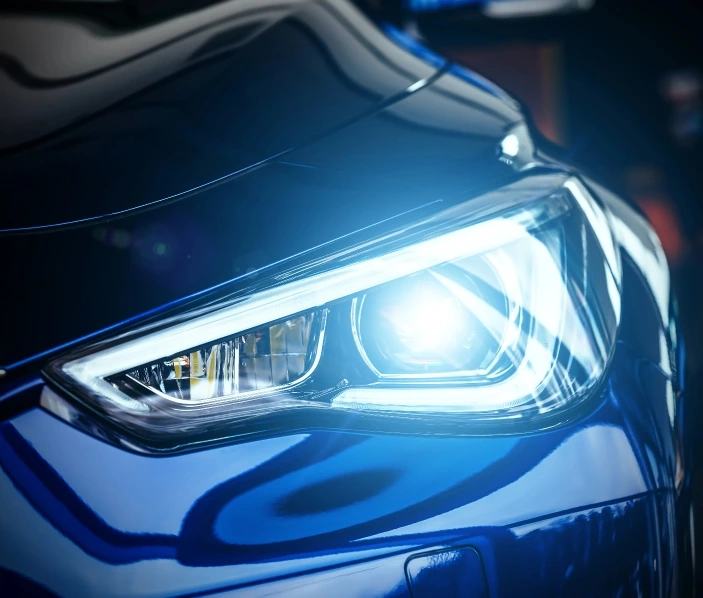
Professional optical design and strict control of brightness and color temperature ensure consistent visual performance across batches, reducing complaints related to uneven light output.

Help meet your customers expection in safety, comfort, visual consistency, and easy installation across different vehicle models.
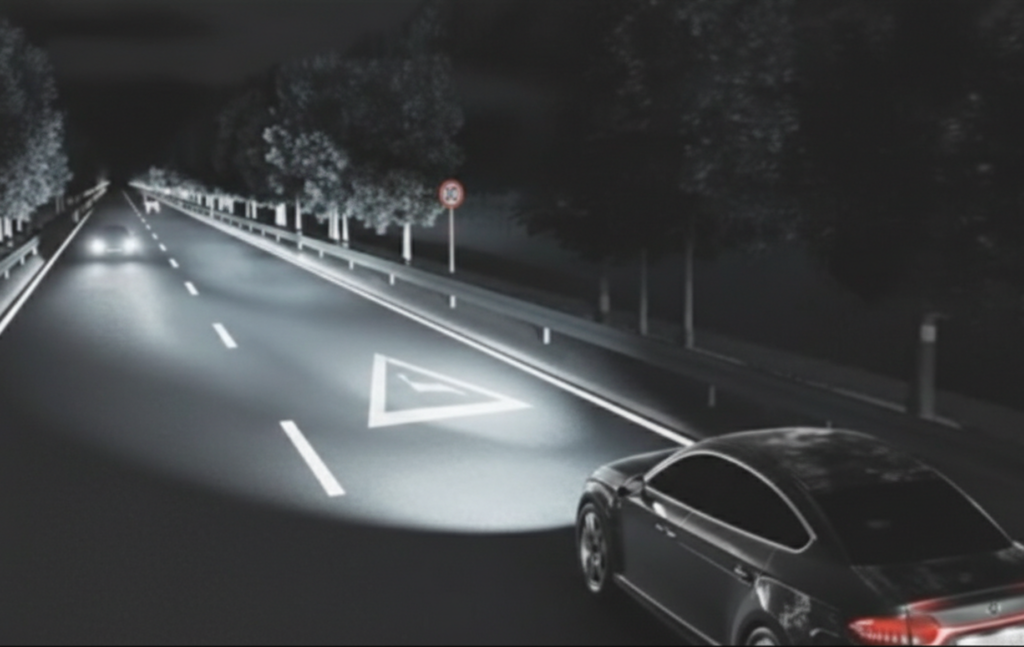
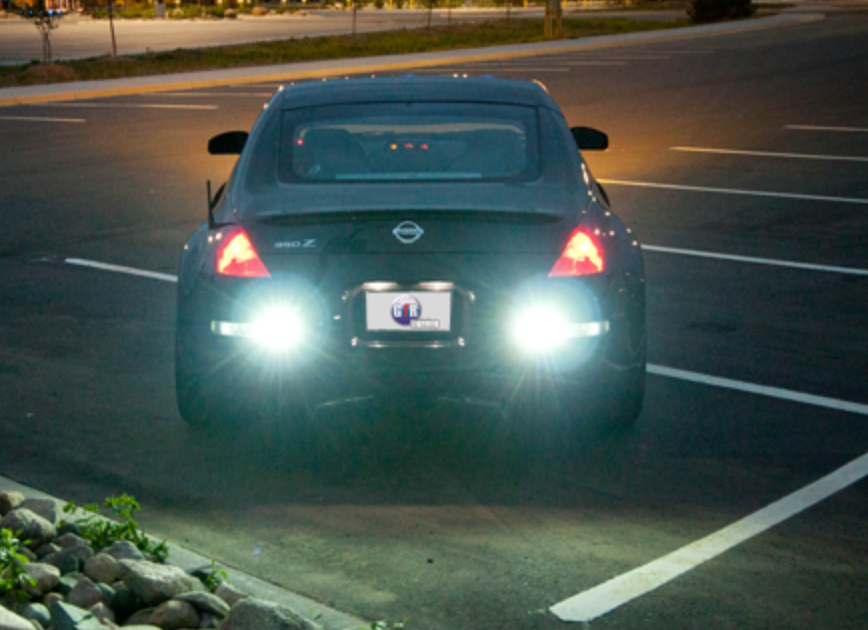
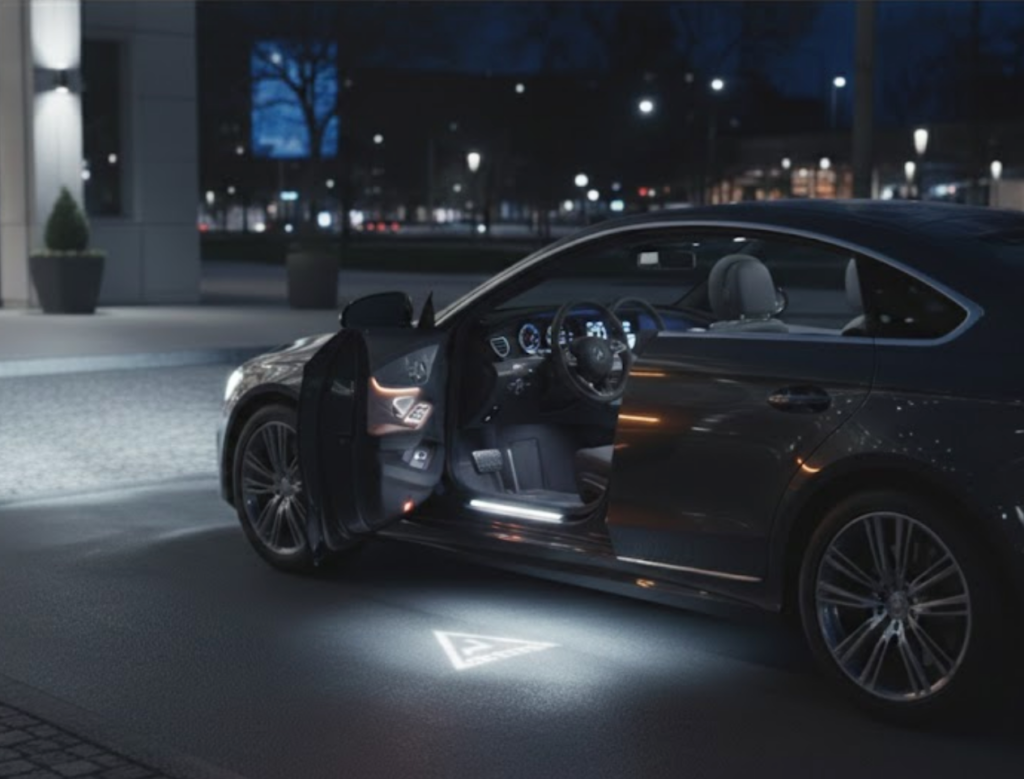
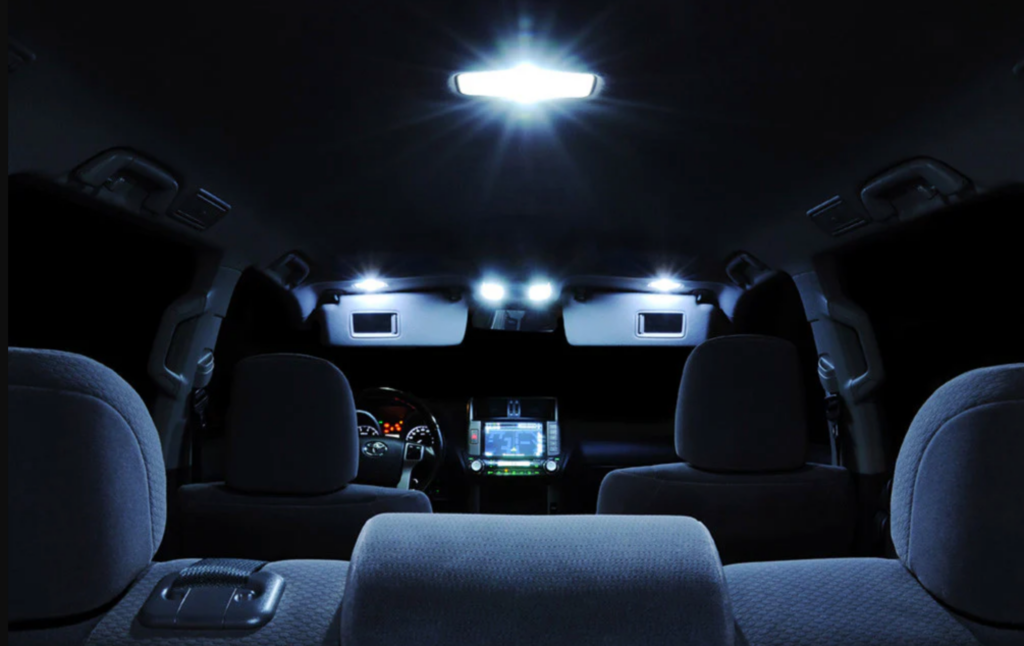
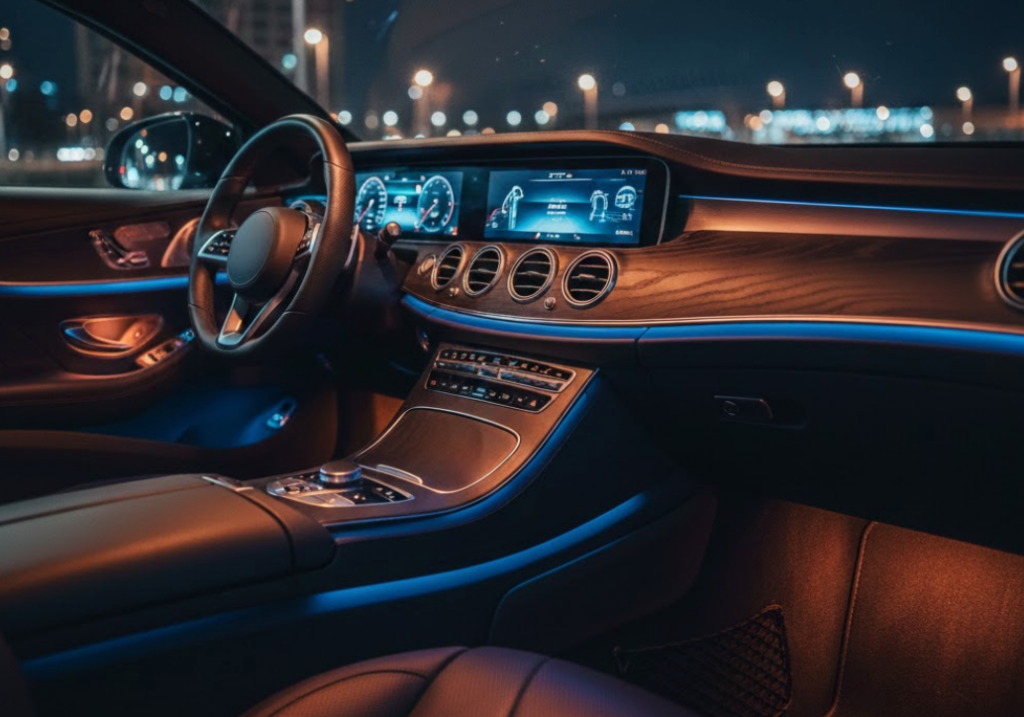
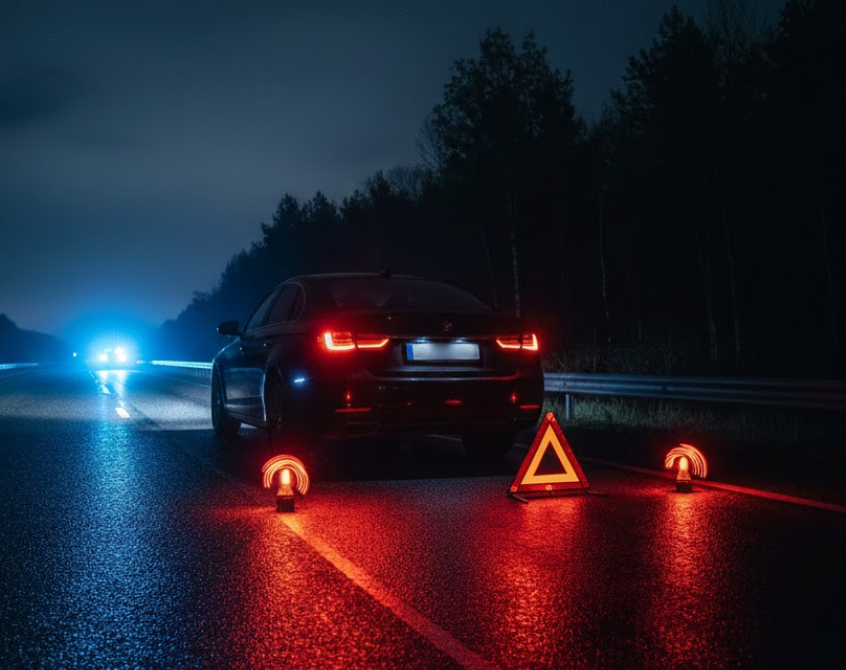
Professional optical design and strict control of brightness and color temperature ensure consistent visual performance across batches, reducing complaints related to uneven light output.
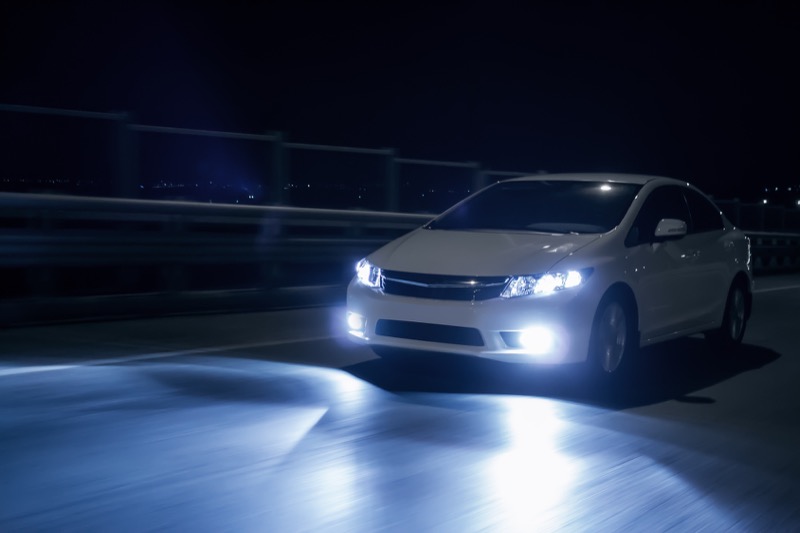
Automotive-grade electronic design and effective thermal management prevent leakage and overheating, supporting long-term daily use in both interior and exterior applications.
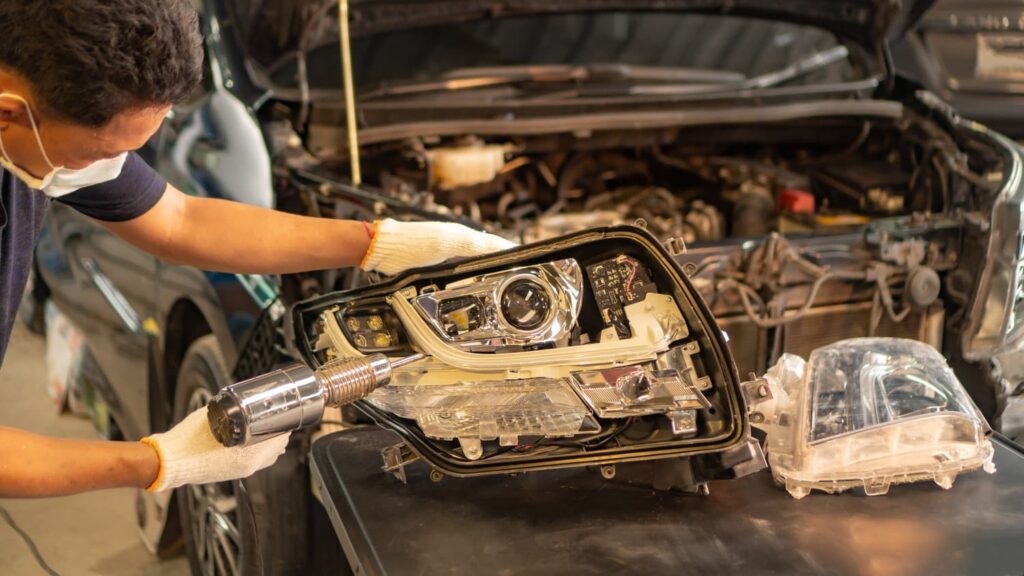
Automotive-grade electronic design and effective thermal management prevent leakage and overheating, supporting long-term daily use in both interior and exterior applications.
From daily complaints to stable, scalable sales
“Before Pulsys, we dealt with frequent complaints about color inconsistency and installation issues. After switching, our passenger vehicle lighting line became much more stable, and returns dropped significantly.”

“High fitment rate and consistent performance made these products much easier to sell. Over 95% vehicle coverage reduced installation errors, and store-level after-sales pressure was clearly reduced.”

“Pulsys helped us build a complete passenger vehicle lighting portfolio with stable quality and clear positioning. It supported our brand growth instead of creating support issues.”

Passenger vehicle lighting must work every day, for every driver. Small issues quickly become large volumes of complaints when products scale.
Pulsys combines 15+ years of R&D experience, professional optical and electronic engineering, and a 16-step quality inspection system to help you deliver lighting solutions that remain consistent across batches and applications.


Is it night driving on highways, urban commuting, rain or fog conditions, or long-distance comfort? Lighting plays a different role in each scenario, and design should start from the moment that matters most. Which driving scenario are you designing for?
Confident, relaxed, focused, or simply unaware of the light itself? Good passenger vehicle lighting supports the driver’s perception without demanding attention. What emotion should your lighting create?
Lighting can be an isolated component—or part of the vehicle’s electronic and intelligent architecture. The choice affects integration, future upgrades, and system complexity. Is lighting independent in your platform, or system-integrated?
More light is not always better. Glare control, smooth transitions, and visual comfort are often more important for daily passenger vehicles than peak output. Where do you draw the line between performance and comfort?
Is your priority long-term brightness stability, thermal durability, reduced warranty risk, or consistent appearance after years of use? Each choice shapes the design direction. Which reliability concern keeps you most cautious?
Early concept, architecture definition, redesign, or pre-production? Lighting decisions made earlier often reduce risk and rework later. What stage is your passenger vehicle project in now?