
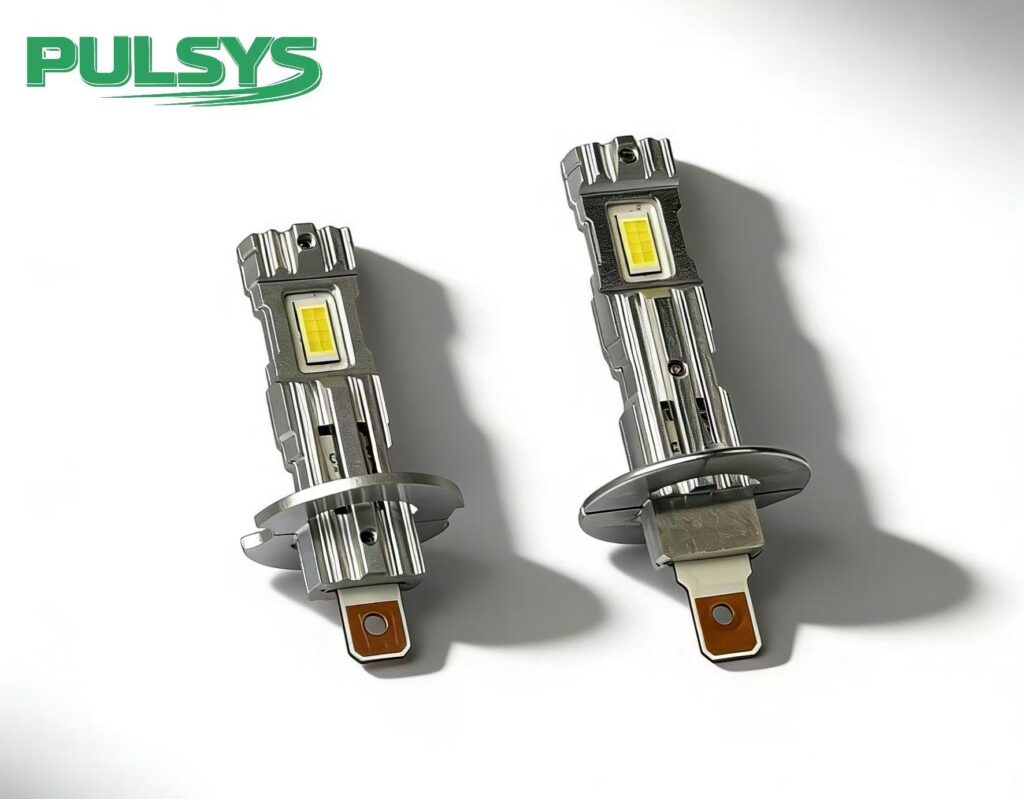
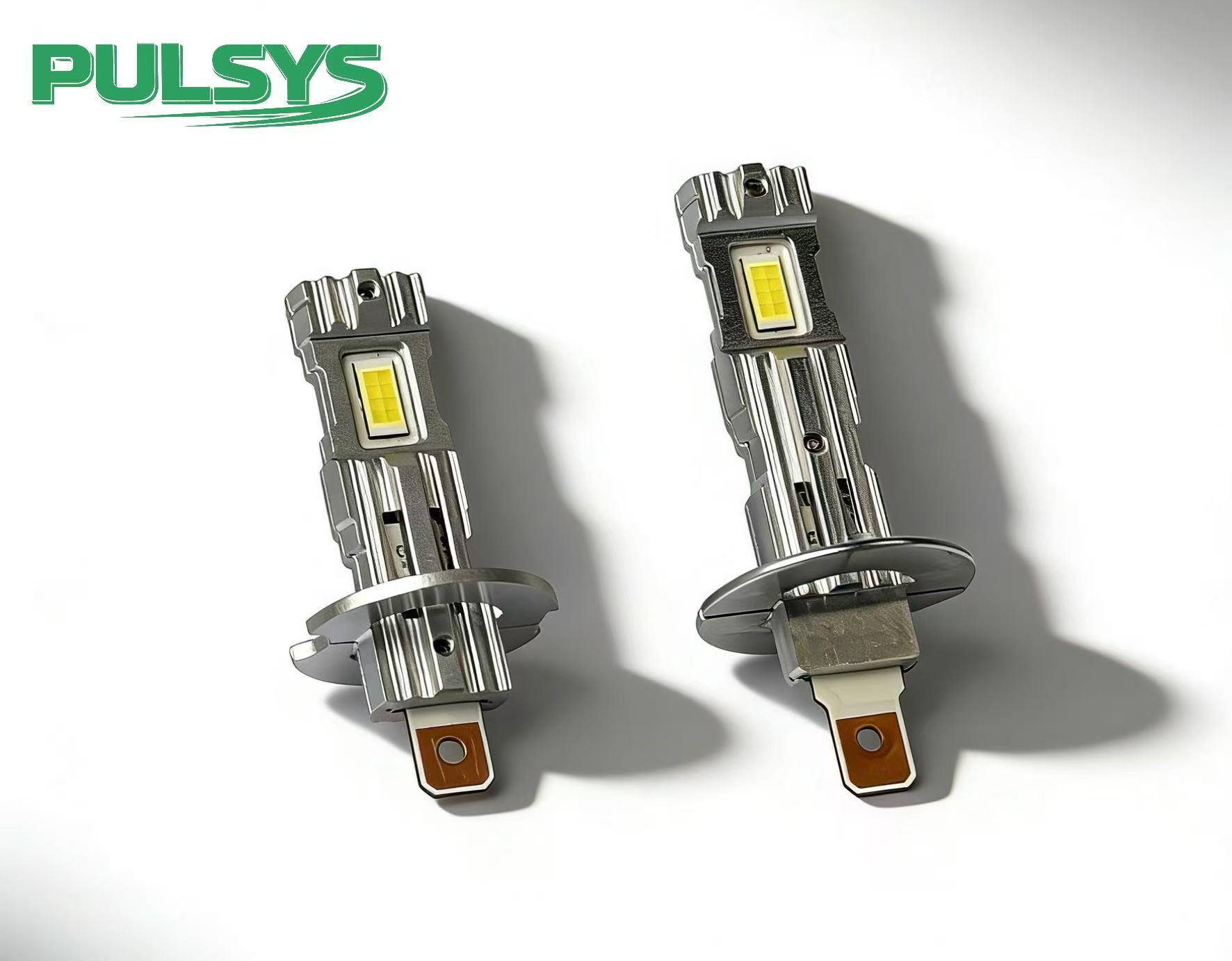
The H1 bulb remains one of the most widely used single beam formats in automotive lighting. It is commonly found in high beam systems, selected low beam applications, and some fog lamp positions, especially on vehicles that separate beam functions by bulb type. For distributors, importers, and workshop channels, H1 is not just a standard replacement item. It is a mature, high volume category where product quality directly affects beam performance, installation efficiency, and return rates.
What Defines an H1 Bulb
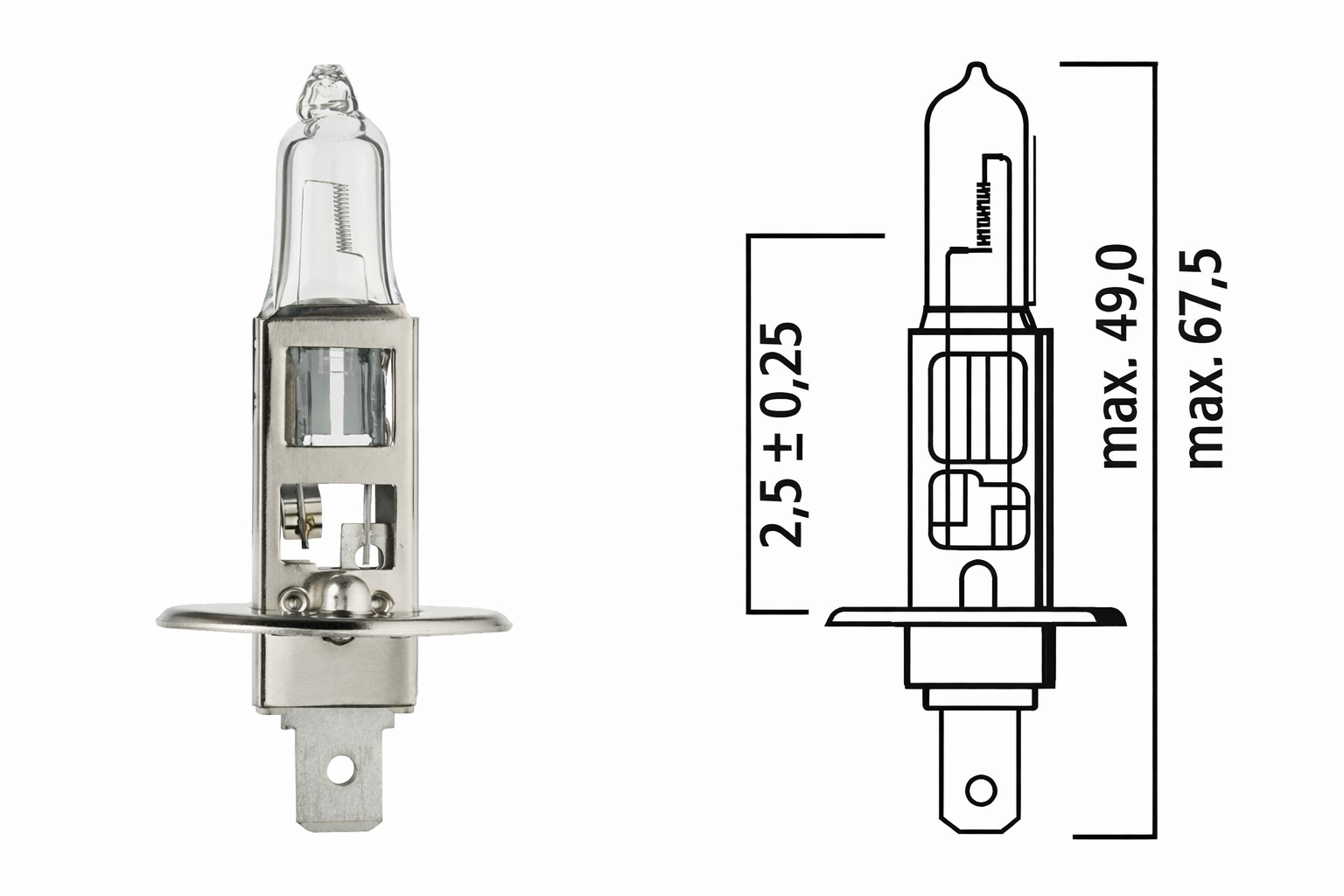
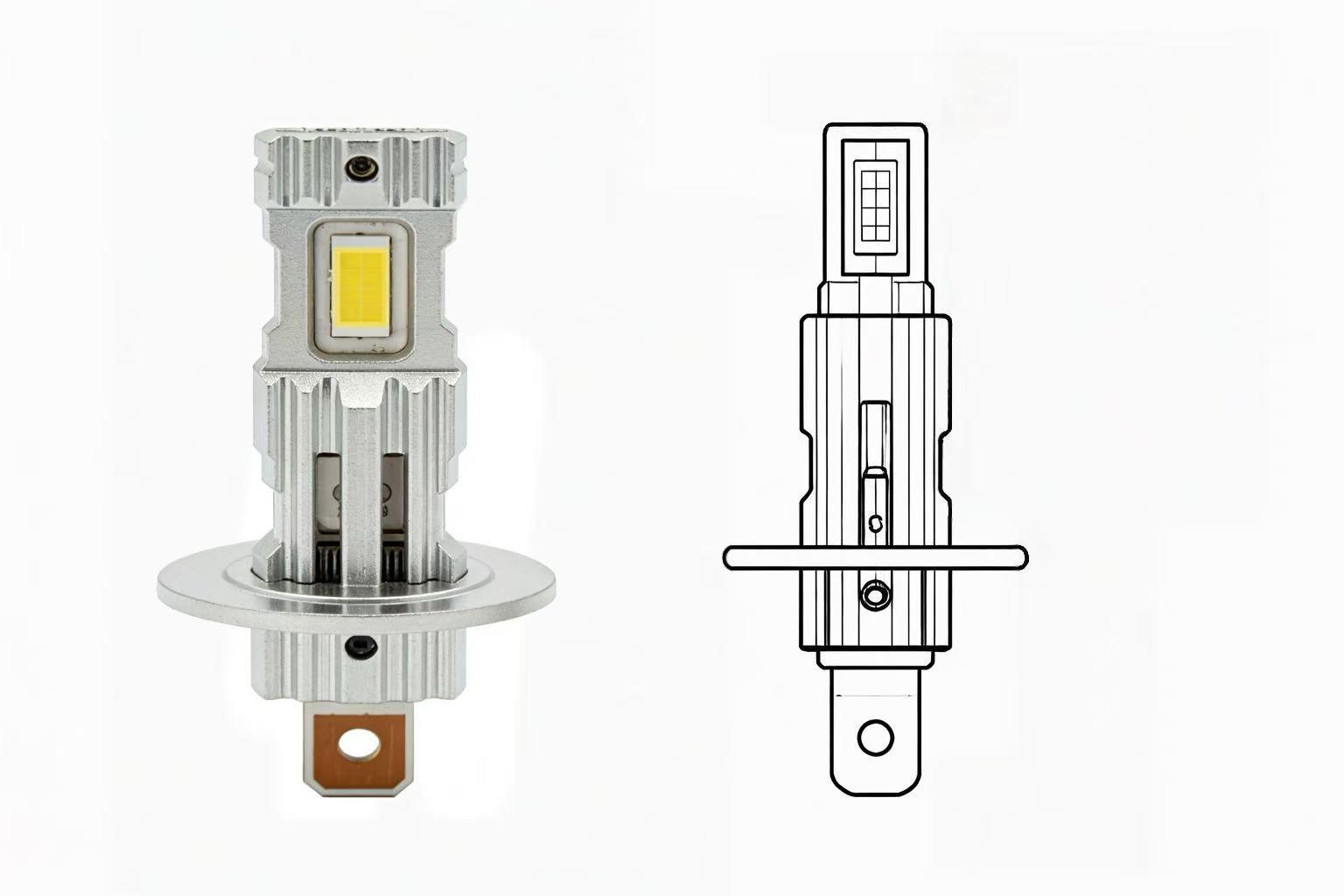
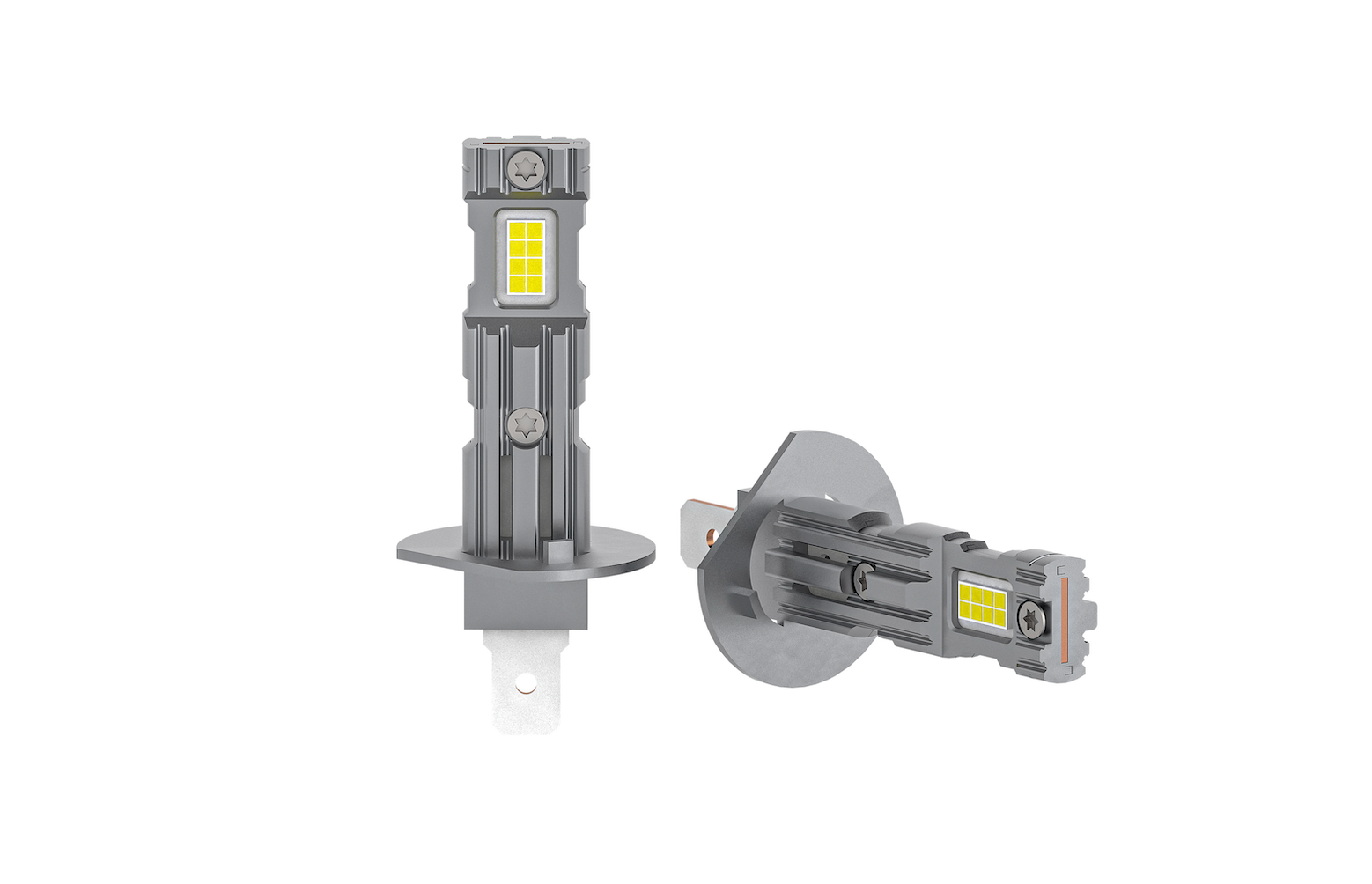
An H1 bulb uses a P14.5s base and is designed as a single function light source, meaning one bulb typically serves one beam role only. In practice, it is most often used for high beam, though some vehicles also use H1 in low beam or fog light systems.
H1 halogen headlight bulbs are certified and compliant with DOT regulations for performance and life. They feature a plug-and-play design for easy installation. When upgrading or replacing, it is important to select the correct bulb and always confirm compatibility with your vehicle’s housing before installation to avoid issues. The primary difference between an H1 bulb and other common automotive bulbs is its design as a single-filament, high-intensity bulb with a slim profile.
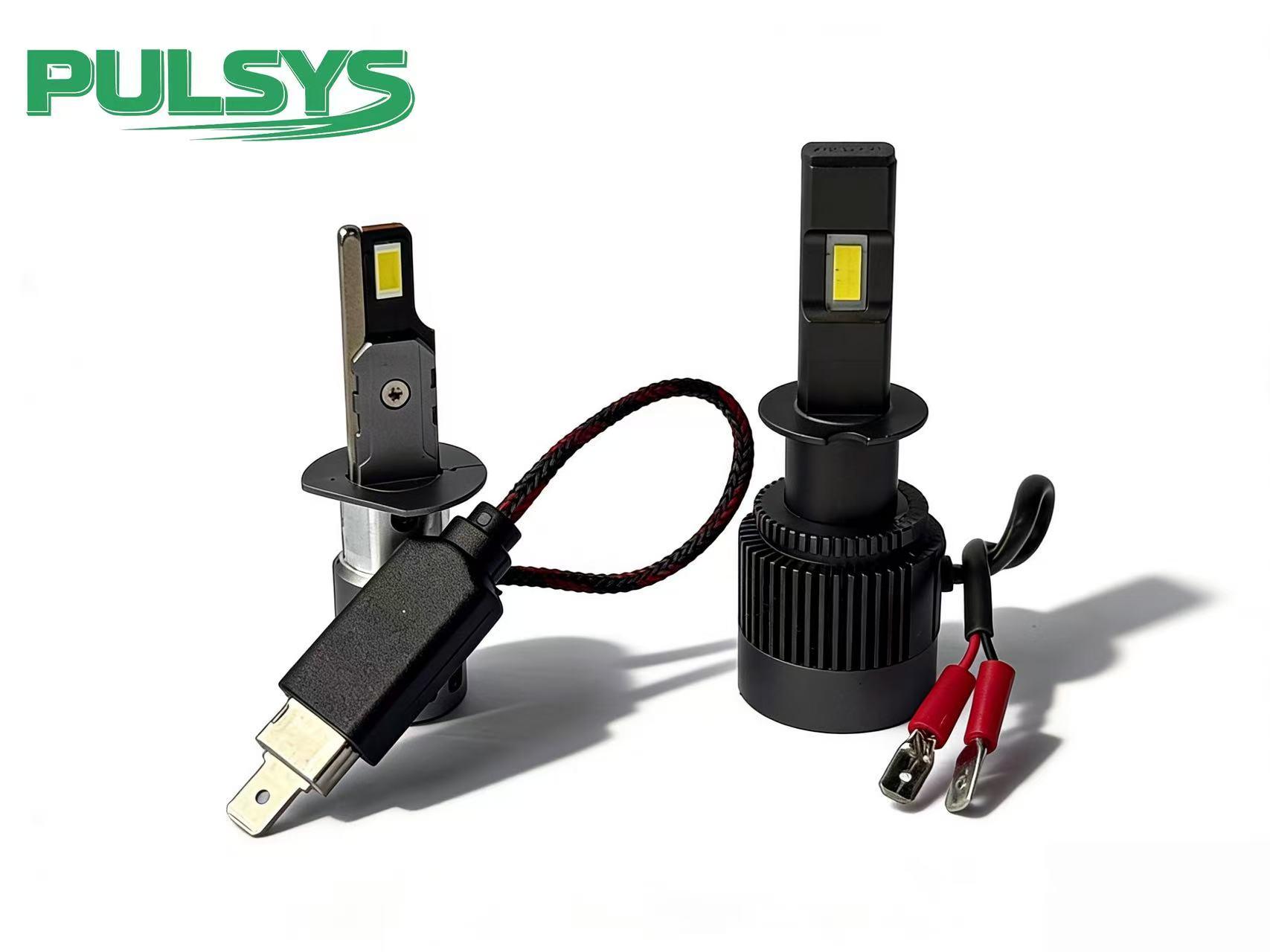
That sounds simple, but H1 performance is shaped by more than the base type. In replacement and upgrade markets, the real differences come from:
- light source technology
- optical match with the housing
- driver design
- thermal management
- vehicle electrical compatibility
This is why two H1 bulbs with similar brightness claims can behave very differently after installation.
Halogen, HID, and LED: How the H1 Market Has Evolved
Halogen H1
Halogen is the traditional H1 solution. A traditional 55W H1 halogen headlight bulb typically produces about 1550 lumens and emits light in the 3800-4000K range. It is affordable, easy to replace, and works well in original housings designed around filament geometry. For basic service replacement, it still has a place. But from a professional buying perspective, halogen has clear limits in brightness, efficiency, and lifespan.
HID H1
HID or xenon based H1 systems offered a major brightness upgrade over halogen and were once a popular premium option. H1 xenon gas filled headlight bulbs deliver up to 250% more light than standard halogen bulbs, providing unmatched clarity and safety on the road. These H1 xenon bulbs are built to last with a lifespan of over 11,000 hours, delivering long-term durability even in extreme conditions. However, they require external ballast systems, involve more complex installation, and have slower startup than LED. In many aftermarket channels, HID has gradually lost ground.
LED H1
LED has become the main upgrade direction because it offers higher efficiency, faster response, and longer service life. H1 LED bulbs also provide improved energy efficiency and faster illumination compared to halogen bulbs. But the H1 LED market is not uniform. The biggest difference today is no longer just LED chip choice. It is driver architecture.
H1 LED bulbs deliver brighter, sharp 6500K white light that enhances nighttime visibility without producing excess glare. H1 LED bulbs offer greater brightness, faster response times, and longer life compared to halogens. They are designed for a perfect 1:1 fit with halogen bulbs, making them compatible as a direct replacement solution. H1 LED upgrades are popular for improved brightness and can last over 30,000 hours. H1 LED bulbs are also compatible with Canbus systems to eliminate error codes and flickering, and are backed by industry-leading standards for quality and innovation.
A low tier LED H1 may look competitive on paper but still suffer from unstable output, poor thermal control, flicker, or short life in real vehicle conditions. A better engineered solution performs as a system, not just as a bulb, offering superior performance and a longer lifespan compared to standard options.
Where H1 Performs Best
High Beam
H1 is most commonly used in high beam because its single source structure supports concentrated forward projection. In a well matched system, it can deliver strong center intensity and improved distance visibility.
Low Beam
H1 can also be used in some low beam applications, but low beam performance depends much more on optical precision. If the emitter size or light source position does not match the housing correctly, brightness alone cannot prevent glare or poor cutoff control.
Why Driver Technology Matters in Modern H1 LED Bulbs
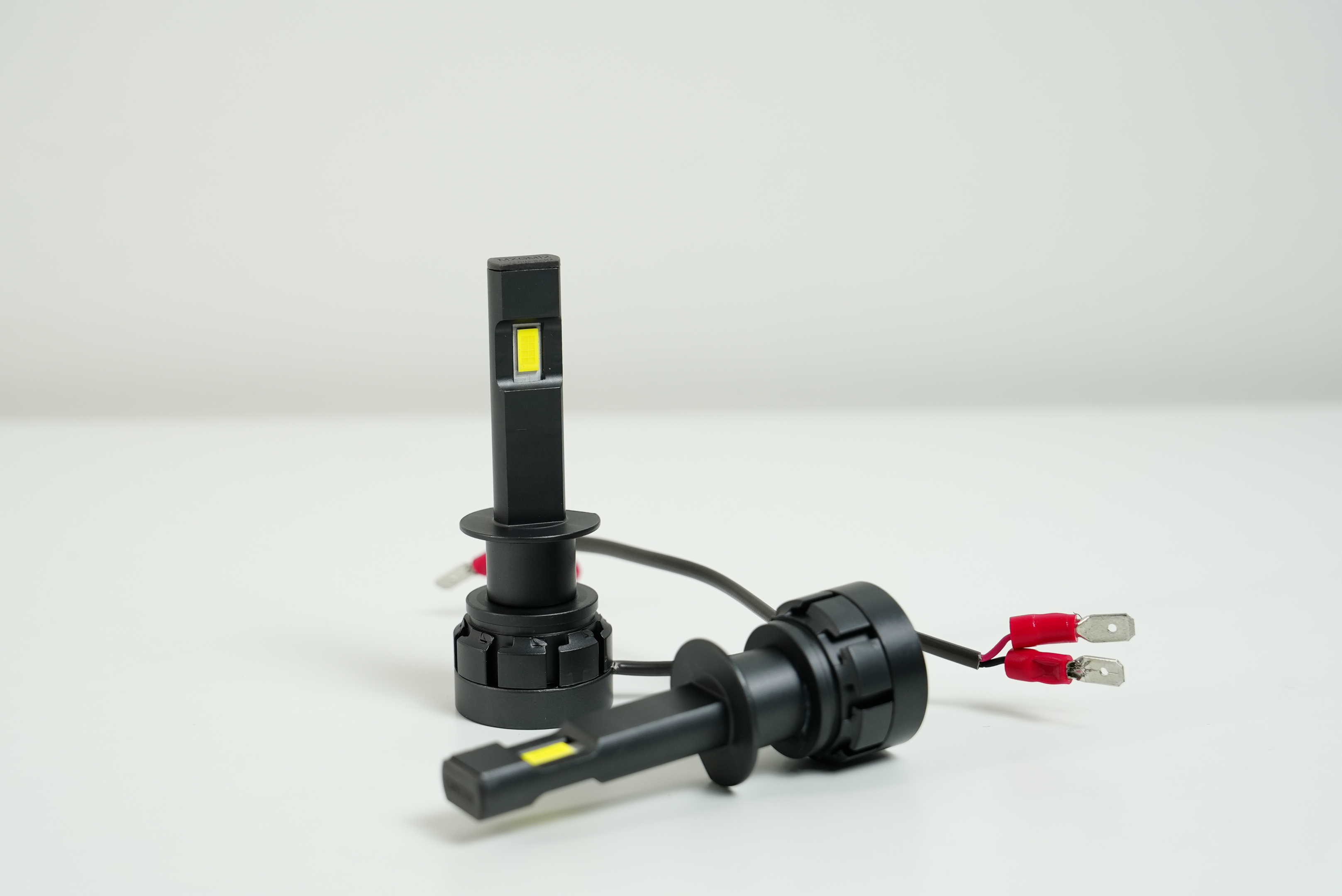
In the early LED retrofit market, many products focused on brightness claims, white color appearance, or cooling structure. Over time, the market learned that the driver is one of the most important parts of the system.
A conventional LED driver often relies on basic analog current control or simple switching regulation. This may be enough for entry level products, but in real use it can lead to:
- output fluctuation when vehicle voltage changes
- visible brightness drop as temperature rises
- unstable behavior across different vehicles
- increased failure risk under abnormal electrical conditions
For B2B buyers, these problems turn into very practical issues: customer complaints,installation callbacks, and higher warranty cost.
New H1 Solutions: What Digital Driver Technology Changes
One of the most important developments in newer H1 LED products is the move toward digital driver control.
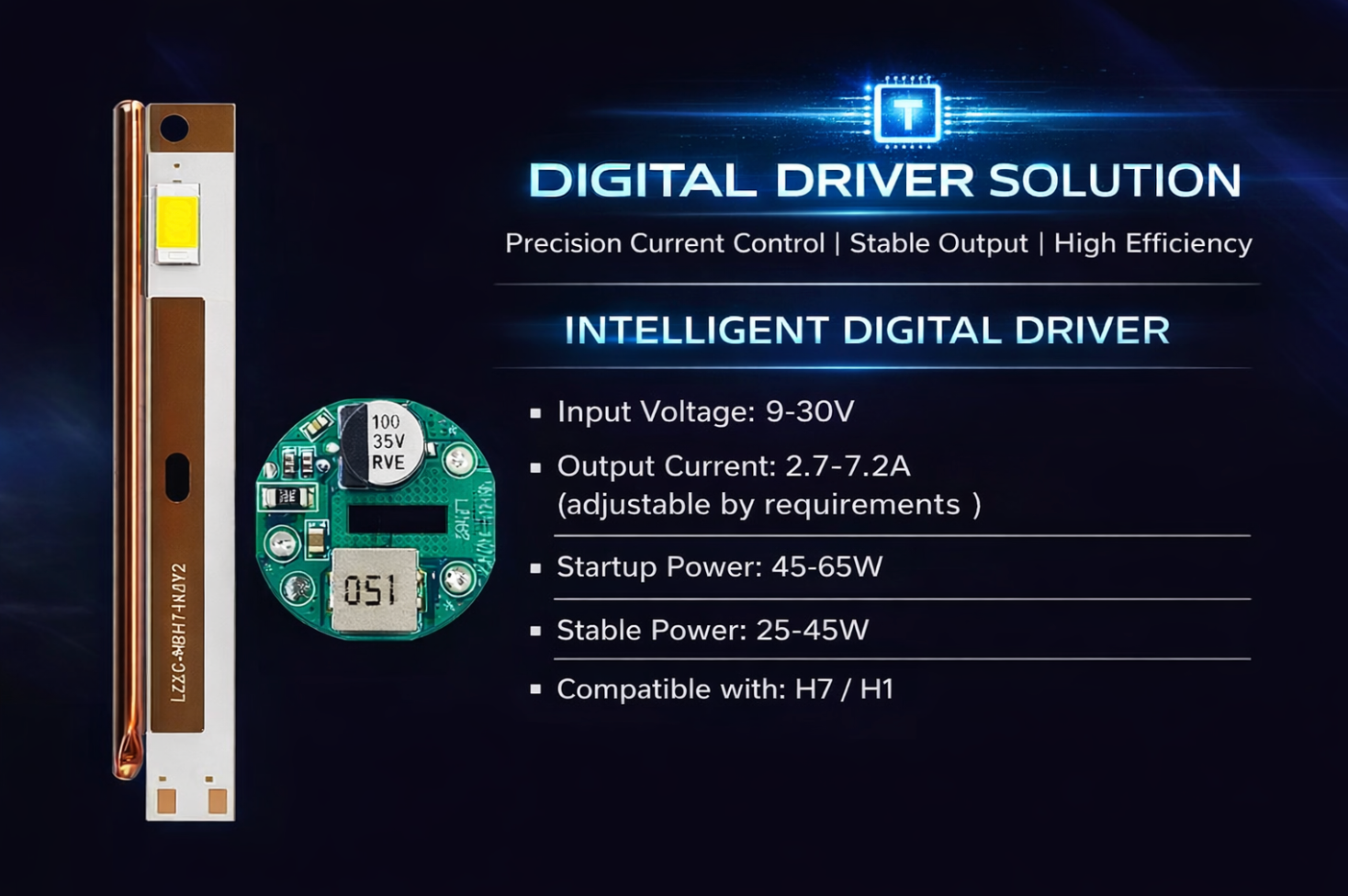
In this type of design, the driver does not rely only on fixed hardware behavior. It uses programmable control logic to manage output more precisely. Based on the technical information you shared, this new H1 solution offers several clear advantages over a standard driver design.
1. Program Controlled Stable Power
The first key point is that stable output is controlled by program logic rather than only by a conventional passive regulation approach. In real vehicles, voltage can vary because of cold starts, alternator behavior, and electrical load changes. A digital driver can regulate output more actively and keep power delivery more stable.
For distributors and workshops, that means more consistent brightness across different vehicle platforms.
2. Better Stability Within Real Operating Conditions
The second point is temperature related. According to the information provided, the system remains stable within ambient conditions up to around 40°C, with less influence from outside conditions. In practical terms, this means the bulb is less likely to show noticeable output drift or unstable behavior during normal use.
This is important because many lighting complaints are not caused by immediate failure, but by unstable performance after the product warms up.
3. Around 93% Conversion Efficiency
The third advantage is 93% conversion efficiency. This matters because higher efficiency means less wasted energy and less unnecessary heat inside the driver stage. Lower loss supports better thermal margin and helps the whole lighting system run more reliably.
For B2B channels, efficiency is not just a lab number. It is linked to product durability and field consistency.
4. Automatic Short Circuit Protection
The fourth point is automatic short circuit protection. In retrofit channels, connector wear, installation error, and vehicle side electrical variation are real factors. A driver with self protection logic is better able to prevent burnout under fault conditions.
This helps reduce severe aftersales issues and protects the perceived quality of the product line.
5. Longer Life Through Better Stability
The fifth point is service life. The supplier’s explanation was simple: the system is more stable and therefore lasts longer. A more professional way to say this is that stable current control and lower electrical stress help reduce LED degradation over time. In other words, the life benefit does not come from a slogan. It comes from better control of the conditions that shorten life.
Fitment and Compatibility Still Matter
Even with an advanced driver, H1 replacement is never only about plugging in the bulb. It is important to select the correct H1 bulb and always confirm that your vehicle’s housing is compatible with H1 bulbs before installation to avoid issues. Professional buyers should still verify:
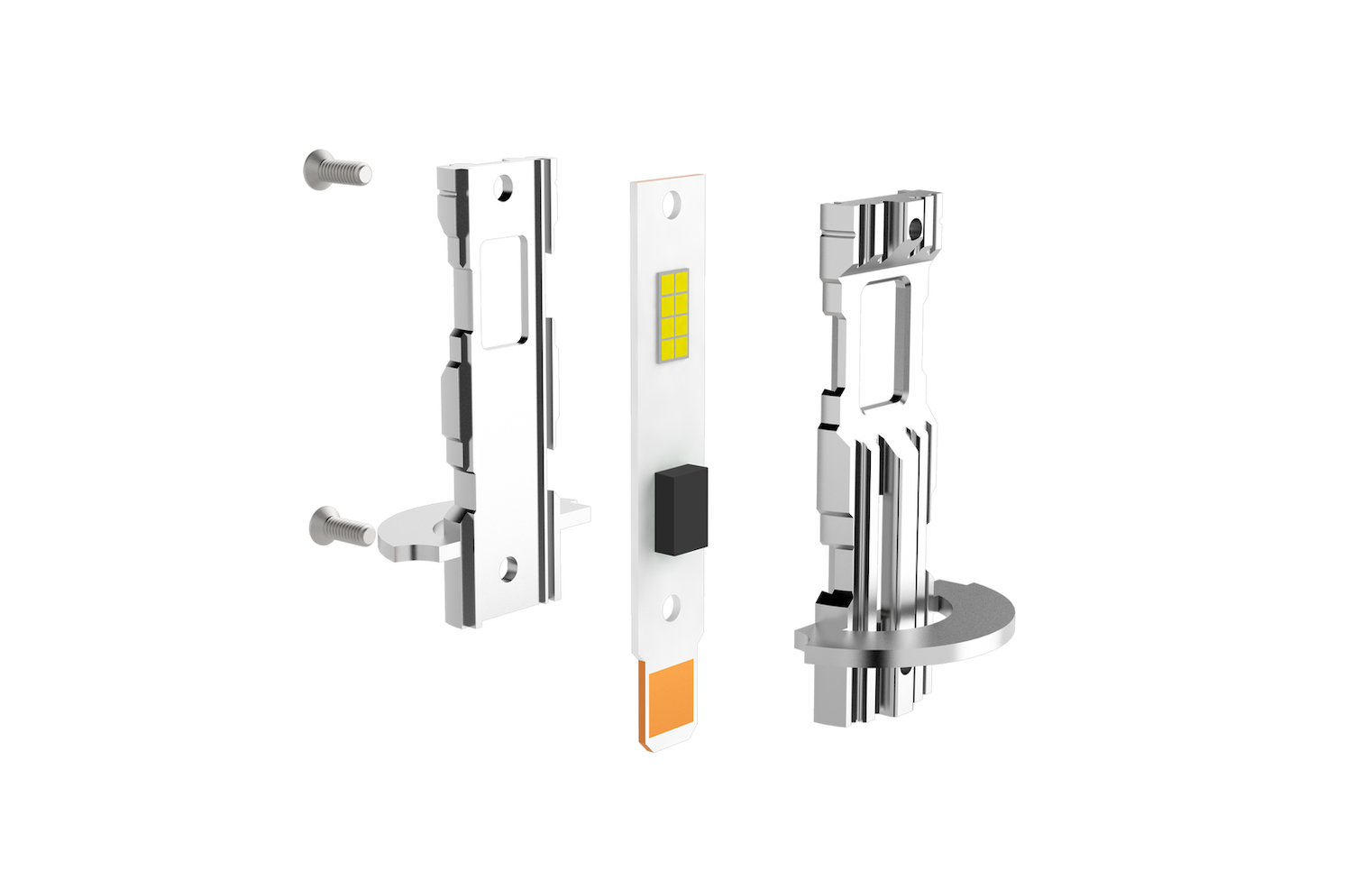
- housing space for the heat sink or cooling structure
- connector layout
- retaining clip design
- dust cap clearance
- CANbus sensitivity on the vehicle side
A good H1 product should not only light up. It should fit correctly, be compatible with your vehicle, maintain beam usability, and reduce installation complications for the channel.
What Professional Buyers Should Prioritize
When evaluating an H1 program, brightness should not be the only decision factor. More important questions include:
- Does the product maintain a usable beam pattern in the intended housing?
- Is the driver stable under voltage and temperature variation?
- Can it reduce flicker, protection failures, and return risk?
- Is the supplier able to deliver consistent batch quality?
Professional buyers often recommend H1 bulbs that work great and are worth the investment, with many customers expressing satisfaction and stating they would buy them again. Positive user experiences and great product performance lead to happy customers and strong recommendations.
This is where a digital driver H1 solution can create real channel value. It is not just a higher spec version of the same product. It is a more controlled lighting system.
Conclusion
The H1 market may look mature, but it is still evolving. Today, the difference between a basic LED H1 and a stronger H1 solution often comes down to driver quality and system stability.
A new generation H1 with digital driver technology brings more than a brightness upgrade. With program controlled stable power, reliable operation within normal temperature conditions, around 93% conversion efficiency, automatic short circuit protection, and longer service life through improved stability, it offers a more professional solution for modern aftermarket channels.
For distributors, importers, and workshop networks, that means a clearer value proposition: not just more light, but more consistent performance, lower risk, and better long term customer trust. If you need reliable H1 bulbs, feel free to contact us anytime.