
Introduction
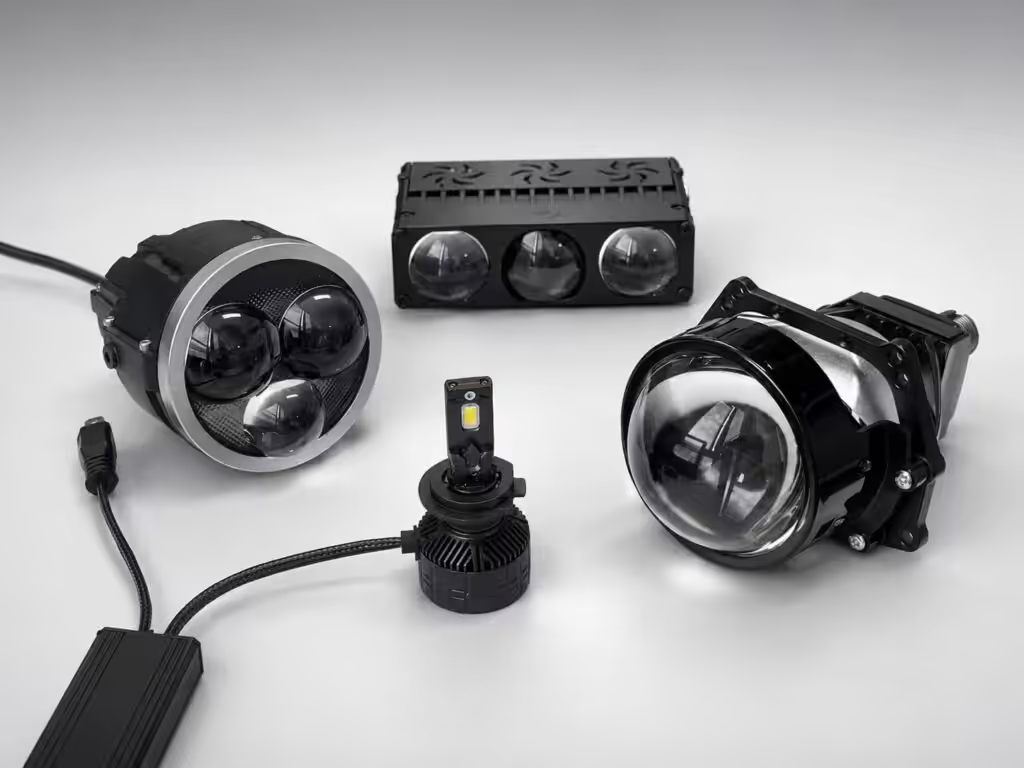
Aftermarket headlights are replacement or upgrade lights made for a vehicle after it leaves the factory. They are used for replacing damaged headlights, upgrading old halogen systems, improving night visibility, or giving cars and trucks a more modern front-end style.
This guide explains how to choose aftermarket led headlights, compare led headlights with halogen bulbs and HID systems, and understand when led projector headlights are the right headlight upgrade. It is written for vehicle owners, installers, shops, and distributors who need practical tips before buying or recommending replacement headlights.
The goal is simple: help drivers find headlights that are brighter, safer, compatible, and properly installed without creating glare or blinding oncoming traffic.
Why Choose LED Projector Headlights
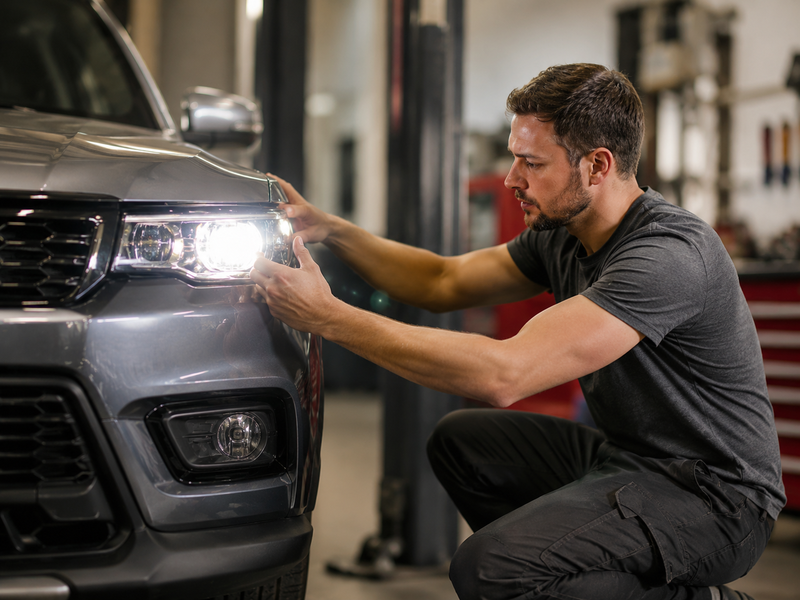
LED headlights are popular because they can produce strong brightness with efficient power use. Compared with traditional halogen bulbs, quality LEDs can offer better road visibility, faster response, and a cleaner modern look. For people driving at night, in dark areas, or in poor weather such as rain and snow, superior illumination can improve confidence and safety.
Projector headlights use a lens system to control the beam pattern. A good projector does not simply throw light everywhere. It shapes the light and creates a clear cutoff, helping drivers see the road while reducing glare for oncoming traffic. This is why many premium led projector headlights are preferred over basic reflector housing upgrades.
Aftermarket led headlights also bring styling benefits. Many models include white DRL, amber DRL, halos, sequential turn signals, black housing, or smoked-lens features. For trucks like the Toyota Tundra, GMC Sierra, and some Ford models, the right headlight upgrade can transform the whole front of the vehicle.
Aftermarket LED Headlights Versus OEMO
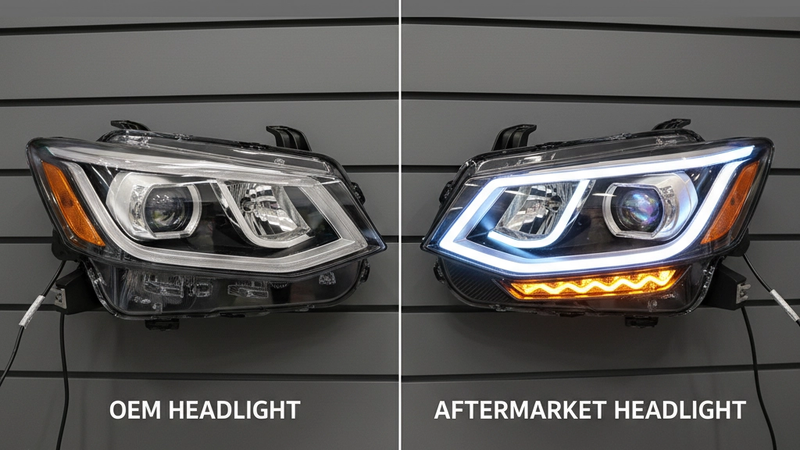
OEM headlights are made by or for the vehicle manufacturer. They usually offer stable quality, accurate fitment, and tested safety performance. However, OEM replacement headlights can be expensive, especially for newer vehicles with LED, HID, camera-linked functions, or high intensity discharge systems.
Aftermarket headlights give owners more options. They may offer better style, brighter output, upgraded projectors, white DRL designs, amber signal features, and more aggressive looks. Some buyers also search terms like “headlight upgrade Morimoto,” “white DRL Morimoto,” or “premium plug play” when comparing higher-end aftermarket choices. These searches can be useful, but buyers should still compare beam pattern, durability, warranty, and vehicle specific compatibility instead of choosing by brand name only.
Cost and value depend on the product. A cheap bulb upgrade may look simple, but it can cause poor beam control or dashboard errors. A complete led headlight upgrade with a quality projector, tested lens system, sealed housing, and plug-compatible wiring usually gives better long-term value.
Legality is another key point. Some LED bulb conversions installed in halogen housings may not be legal for street use in certain markets. Before upgrading, check local regulations, DOT/SAE/ECE markings, and the supplier’s street-use information on the website.
Types of Aftermarket Headlights
| Type | Best For | Pros | Watch Out |
|---|---|---|---|
| LED projector headlights | Modern headlight upgrade | Strong beam pattern, white DRL, high visibility | Higher cost, fitment must be checked |
| Halogen projector headlights | Budget replacement | Better control than basic reflectors | Less brightness than LEDs |
| HID projector headlights | Strong light output | High intensity discharge performance | Ballast quality and legality |
| Reflector replacement headlights | Replacing old factory units | Lower price, easy installation | More glare risk with wrong bulb |
| Fog lights upgrade | Better low-road visibility | Useful in fog, rain, snow, and dust | Should not replace low beam headlights |
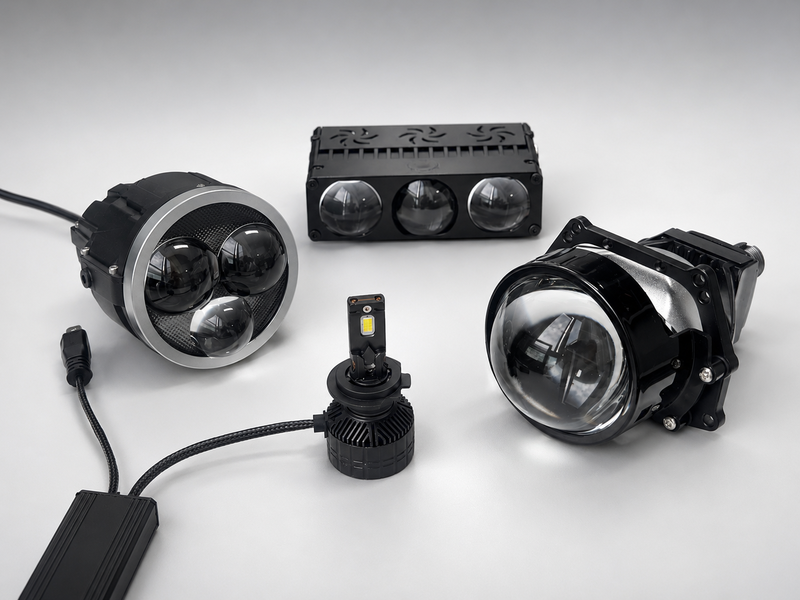
LED projector headlights are usually the best headlights for owners who want both performance and style. They combine LEDs, projectors, a lens system, cooling design, and modern DRL features into one assembly.
Halogen and HID projectors can still work well if the optical design is good. Reflector-style replacement headlights are better for simple repairs or lower-budget jobs. Fog lights should be treated separately because they are designed to enhance short-distance, low-road visibility, not replace main headlights.
Vehicle-Specific Fit and Compatibility
A vehicle specific fit is critical. Two headlights may look similar but use different brackets, plugs, wiring, DRL functions, sensors, or control modules. Before recommending any aftermarket headlights, always verify the make, model, year, trim, and original lighting system.
Check these points before ordering:
| Fitment Check | Why It Matters |
|---|---|
| Make, model, year | Body changes affect housing and mounting |
| Trim level | Higher trims may use LED, HID, or adaptive features |
| Original bulb type | Halogen, HID, and LED systems use different wiring |
| Plug type | Wrong plug may need modifications |
| DRL style | White DRL and amber DRL wiring can differ |
| Sensors/cameras | Some vehicles need ADAS compatibility |
| Left/right-hand traffic | Beam accuracy must match the road system |
For advanced models, headlights may connect with auto high beam, cameras, parking sensors, or body control modules. In these cases, proper installation is very important. Avoid cutting wires unless the manufacturer or supplier confirms it is safe.
GMC Sierra and Toyota Tundra Fit Notes
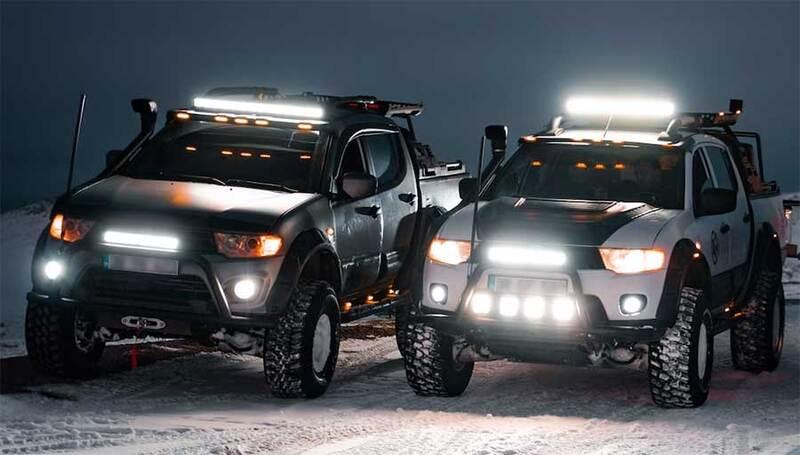
The GMC Sierra is a popular truck for aftermarket led headlights and full assembly upgrades. Common upgrade years include older Sierra 1500 models, 2014–2018 models, 2019–2022 models, and newer generations. Sierra trims such as SLE, SLT, AT4, and Denali may have different wiring and DRL functions.
The Toyota Tundra is another common vehicle for headlight upgrade projects. Many owners want a stronger road presence, brighter night performance, and a cleaner white DRL or amber DRL design. For trucks, the best setup is usually a vehicle specific led projector assembly with plug-compatible wiring, stable housing, and tested beam pattern.
For both trucks, check whether the product is compatible with factory halogen, HID, or LED versions. Do not assume one headlight fits all models.
Headlight Upgrade Options and Fog Lights Integration
There are two main upgrade methods: full assembly replacement and bulb-only replacement.
A full assembly replacement means removing the old housing and installing a new headlight unit. This is the better choice when the buyer wants new projectors, DRL features, halos, turn signal upgrades, better durability, and a more complete style change.
A bulb-only upgrade is faster and cheaper. However, replacing a halogen bulb with an LED bulb inside the original housing may not produce the correct beam pattern. It may look brighter near the vehicle but create glare, dark spots, or poor distance visibility.
Fog lights can be upgraded together with headlights. For a clean appearance, match the fog lights with the headlight color temperature and DRL style. For example, white DRL headlights can pair well with white fog lights, while amber fog lights may work better for off-road, snow, rain, or dust conditions.
Choosing the Right Replacement Headlights
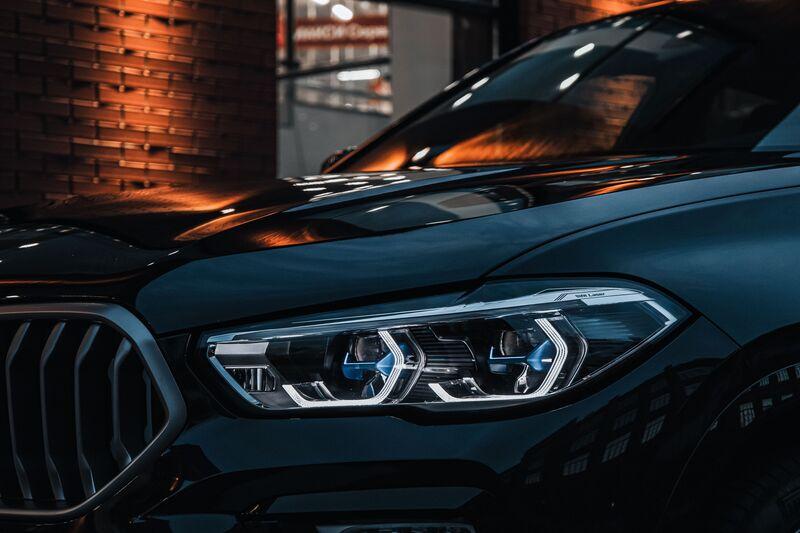
Do not choose headlights by brightness numbers only. Lumen output matters, but beam pattern matters more. Additionally, the IIHS headlight ratings also show why visibility and glare control should be evaluated together. A good headlight should light the road ahead without temporarily blinding oncoming drivers.
Good replacement headlights should offer:
| Factor | What to Look For |
|---|---|
| Beam pattern | Clean cutoff, wide spread, good distance |
| Brightness | Real tested output, not inflated claims |
| Compatibility | Vehicle specific plugs and mounting |
| Durability | Sealed housing, heat control, stable LEDs |
| Legal status | DOT, SAE, ECE, or local approval |
| Warranty | Clear claim process and support |
| Style | White DRL, amber DRL, halos, or OEM-style design |
| Installation | Plug-compatible design with minimal modifications |
Color temperature is also important. Many owners opt for 5000K–6000K because it gives a clean white appearance. Extremely blue light may look unique, but it can reduce contrast in bad weather.
Product Comparison and Buying Guide
| Category | Typical Price Range | Pros | Cons |
|---|---|---|---|
| Basic halogen replacement headlights | $80–$180/pair | Low cost, simple replacing process | Limited brightness and style |
| LED bulb conversion | $40–$150/pair | Easy upgrade, low cost | May cause glare or legality issues |
| HID projector assembly | $180–$450/pair | Strong output, better projectors | Ballast and bulb quality vary |
| LED projector assembly | $300–$900/pair | Better visibility, modern DRL, strong style | Fitment must be verified |
| Premium plug play assembly | $700–$1,500+/pair | Vehicle specific, tested features, clean installation | Higher price |
| Fog lights set | $60–$250/pair | Adds low-road visibility and style | Not a headlight replacement |
For daily drivers, a tested vehicle specific LED projector assembly is usually the best balance of safety, performance, and longevity. For shops, stocking different models for trucks, cars, and popular Ford, Toyota Tundra, and GMC Sierra applications can help meet more customer needs.
Installation Tips for LED Projector Headlights
Before installation, compare the new headlights with the original units. Check brackets, plug location, wiring, bulb access, DRL wires, turn signal wires, and housing shape.
Pre-install checklist:
| Step | Check |
|---|---|
| 1 | Confirm vehicle make, model, year, and trim |
| 2 | Compare original and new housing |
| 3 | Check plug and wiring compatibility |
| 4 | Test low beam, high beam, DRL, turn signal, and fog lights |
| 5 | Look for flicker or dashboard warnings |
| 6 | Adjust beam aim after installed |
| 7 | Confirm no water leakage after washing or rain |
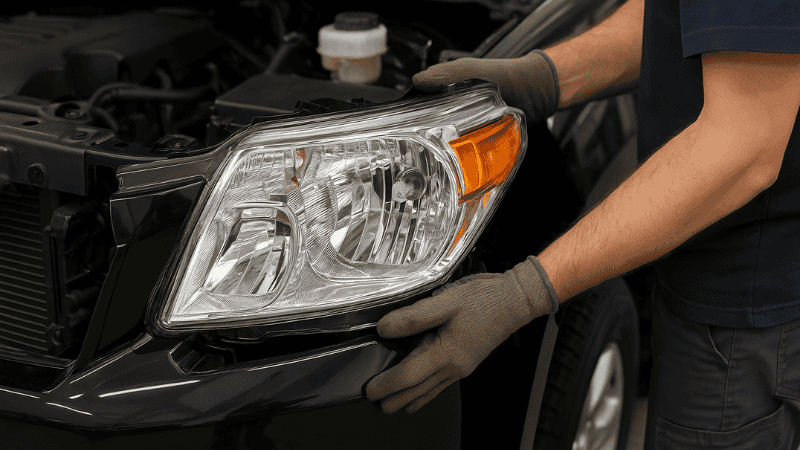
Use nitrile gloves when touching bulbs, lenses, or LED parts. Oil and dirt can affect performance and longevity.
After installation, always test the beam on a wall or road-safe testing area. Proper installation and correct beam aim help prevent blinding oncoming traffic. For advanced vehicles with sensors, cameras, or special modules, professional installation is recommended.
Legal, Safety, and Warranty Considerations
Street legality depends on the product and the market. Some LED upgrades are intended for off-road use only. Some bulb conversions may not be legal in original halogen housings. Always check local rules before upgrading. For U.S. buyers, NHTSA guidance on FMVSS No. 108 is a useful reference when checking whether LED replacement bulbs or modified headlamp systems are compliant for road use. The IIHS headlight ratings also show why visibility and glare control should be evaluated together. A good headlight should light the road ahead without temporarily blinding oncoming drivers.
Safety should come before appearance. Good headlights should enhance visibility without creating glare. The right product protects the driver, passengers, pedestrians, and other road users.
For warranty claims, keep the invoice, product label, installation photos, and videos showing the issue. Do not make unnecessary modifications to the wiring or housing. If a problem appears, contact the seller or manufacturer first and follow their claim process.
Keep the original headlights when possible. They can be useful for resale, inspection, troubleshooting, or returning the ride to stock condition.
FAQs
Are LED projector headlights better than reflector headlights?
Usually yes. Projector headlights use a lens system to control light better and create a cleaner beam pattern.
Can I install LED bulbs in halogen headlights?
Sometimes, but it may not be legal or safe. The wrong LED bulb in a halogen housing can cause glare and poor road visibility.
What are the best headlights for trucks?
For trucks, the best headlights are usually vehicle specific LED projector assemblies with tested output, strong housing durability, and plug-compatible installation.
Are fog lights needed after a headlight upgrade?
Not always. Fog lights are useful in fog, rain, snow, and dust, but they should support the main headlights, not replace them.
What is the difference between white DRL and amber DRL?
White DRL gives a clean modern look. Amber DRL can add contrast and may be preferred for certain truck or off-road styles.
How do I avoid blinding oncoming traffic?
Choose headlights with a good beam pattern, ensure proper installation, and adjust the beam aim after installation.
Conclusion
Choosing aftermarket headlights is not just about getting brighter lights. The right led headlight upgrade should match the vehicle, improve visibility, protect safety, and fit without major modifications.
Use a vehicle-specific search tool on our website to compare led projector headlights, fog lights, DRL styles, and compatible replacement headlights for your model. Need help choosing? Contact our fitment support team before ordering.
Join more vehicle owners and shops who are upgrading from old halogen headlights to tested aftermarket led headlights with better performance, style, and durability.